In an increasingly digital business environment, many professionals wonder whether traditional networking tools still hold value. Some of the most common questions modern entrepreneurs ask are: Do business cards still matter? And do I even need them?
While email signatures, social media posts, and digital marketing platforms now dominate much of B2B and B2C communication, physical business cards still continue to play a powerful role in brand marketing and building overall brand awareness.
Key Insights: Tangible Brand Marketing in Today’s Digital-First Environment
Many of the questions regarding the relevance and value of traditional networking tools stem from the world’s increasingly digital-focused environment. When so much is happening online, do business cards, pamphlets, and brochures still make an impact? They can, and they do—as long as you’re strategic.
Instead of approaching business cards as outdated marketing tools, many modern businesses treat them as a tactical extension of their overall brand awareness and identity efforts. A business card is often the first tangible representation of your brand that a prospect receives. When designed thoughtfully by a professional logo design company, it ensures that your brand makes a great first impression and that it carries the same professionalism in person as it does online.
More simply, business cards may seem traditional, but their function has evolved alongside modern technology. Today, their effectiveness depends on three pillars: thoughtful design, strategic distribution, and alignment with your overarching brand marketing goals.
1. A Shift in Purpose: From Data to Identity
Business cards are no longer simply tools for sharing phone numbers. Today, they function as compact branding assets that reinforce a company’s visual story. When aligned with a clear brand marketing strategy, they help create memorable physical interactions that a digital notification often cannot replicate. These cards work alongside websites and social media platforms to increase brand awareness across multiple touchpoints.
2. Industry Context and Real-World Credibility
Not every industry relies on business cards the same way, but for professionals who attend conferences, local networking events, or face-to-face meetings, physical business cards remain indispensable. In these settings, even the simplest exchange can create a lasting impact. A memorable design from a trusted logo design company can make a card stand out among a stack of generic competitors, providing instant credibility. Additionally, in these fast-paced environments, a physical exchange is often more personal and far less intrusive than asking a new lead to unlock their phone, find a specific app, or navigate a digital profile.
3. Understanding the High Cost of Poor Design
A poorly designed business card may be overlooked, or, worse, discarded. This means that the funds you invested went toward lost leads. On the other hand, a well-crafted business card can leave a powerful, positive impression that builds trust in your brand. A professional logo design company can ensure that the color, typography, and layout are visually consistent with your brand identity and support your current brand marketing goals.
The Psychological Advantage of Physical Branding
Human memory responds strongly to physical experience. Touch, texture, and visual appeal influence how people remember an interaction, even long after it has ended. When someone holds a well-crafted business card, the weight of the paper and the quality of the finish shape their perception of the brand—even before they read the text.
These sensory details create subtle emotional associations in a way that is completely unique from digital marketing materials. In this way, a business card acts as a “mini-billboard” for your brand. While a digital ad may disappear with a swipe, a physical card remains in a prospect’s physical space, serving as a constant, silent reminder of your professional connection.
Featuring a professionally designed logo and a thoughtfully structured layout further reinforces this impression, helping people connect the positive, high-quality physical experience with the company itself.
The Modern Hybrid Strategy: Bridging Physical and Digital Networking
As technology continues to shape communication, the most successful brand marketing strategies often don’t choose between physical and digital—they combine them. These businesses collaborate with their logo design company to create business cards that act as a gateway to their digital world, ensuring the experience their brand provides remains consistent across every channel—which has a powerful effect on brand awareness.
QR Codes as a Digital Portal
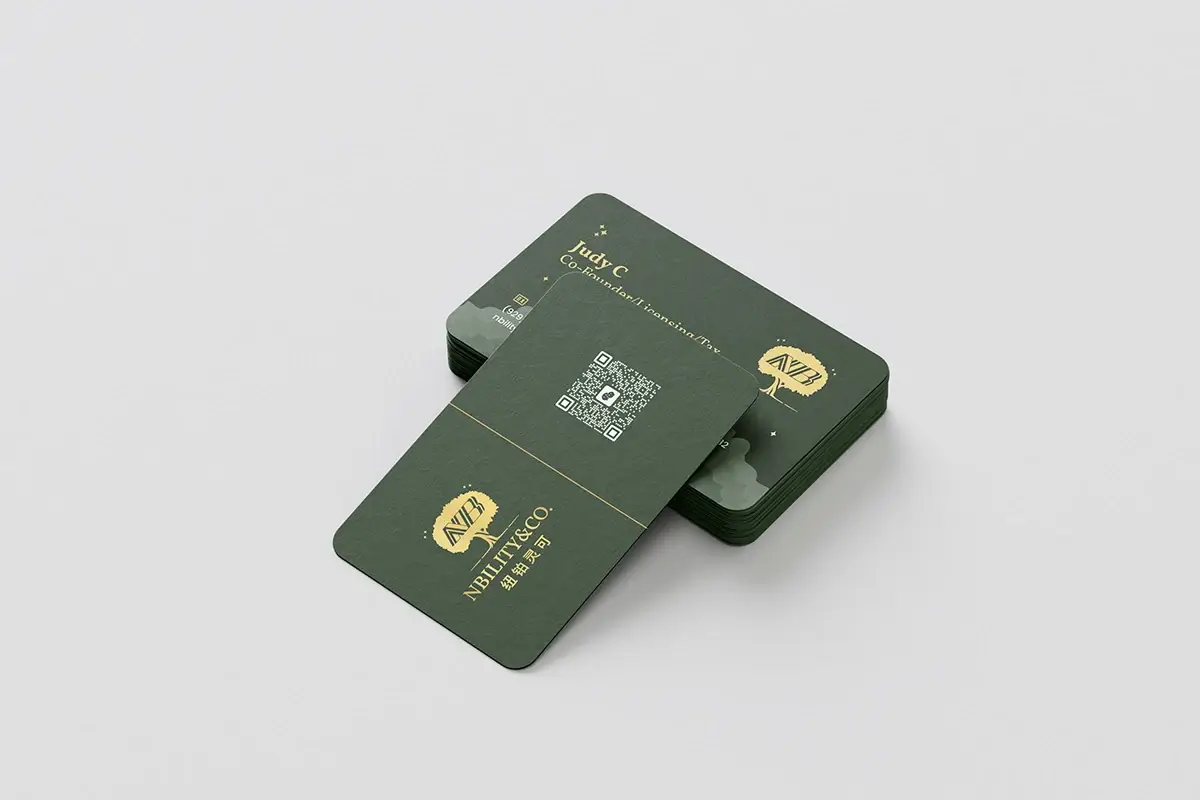
QR codes serve as a practical bridge in a hybrid networking strategy. When a person scans a code on a physical business card, they can instantly access a website’s landing page, a booking calendar, or a specific case study. By connecting offline conversations to digital platforms, these business cards support overall brand awareness by giving the recipient an immediate “next step” to take.
To ensure that the QR code is functional and seamlessly integrated into the card’s design, it is beneficial to partner with an experienced logo design company. These professionals can customize the code design, position it aesthetically, and make sure the code is easy to scan—all while maintaining the card’s aesthetic balance.
Direct Website and Portfolio Linking
Your website is your brand’s hardest-working asset, and your business card is one of the easiest ways to get people there. In addition to (or in place of) a QR code, consider adding a short, clean URL to the business card’s design. This provides a direct path for prospects to explore your services, read testimonials, or view your latest projects.
A few pro tips: there’s no need to include the “https://” or “www.” prefixes—dropping both can help the card look modern and minimalist. Additionally, consider partnering with a logo design company, as these professionals can ensure the URL is displayed with clear typography that doesn’t clutter the design.
Reinforcing Social Media Presence
While your website provides the deep dive, social media offers the “human” side of your business, which is why so many brands incorporate these profiles into both their networking strategies and marketing campaigns. Including your primary handles or relevant platform icons on your business card encourages prospects to connect with you immediately after your meeting.
This process links the initial offline interaction with ongoing digital engagement, reinforcing your brand marketing efforts every time you post an update. To maintain this bridge, a logo design company helps align the visual identity on the business card so the prospects you met in person recognize the same brand when they interact online.
Frequently Asked Questions About Business Cards
What industries use business cards?
Certain high-touch industries utilize business cards as their baseline standard of professional etiquette. In sectors like real estate, law, financial consulting, and healthcare, the exchange of a card is a sign of established authority and serious intent. Of course, business cards are not exclusive to brands in these industries. Professionals across sectors can benefit from this tangible networking tool, including artists, land surveyors, and roofers.
What information should appear on a business card?
Your business card should include the most important information about your brand; at a minimum, this includes your logo, business name, phone number, email, and website address. Additional details to feature may include your name, position, a QR code, and social media account details.
While it can be tempting to list every service you offer, keeping the business card simple is actually more ideal. When a card becomes cluttered, the visual noise can distract from your primary message. By using your limited space strategically, you can effectively support your brand marketing efforts by guiding people toward your most important digital resources (without overwhelming them).
Should I use a headshot on my business card?
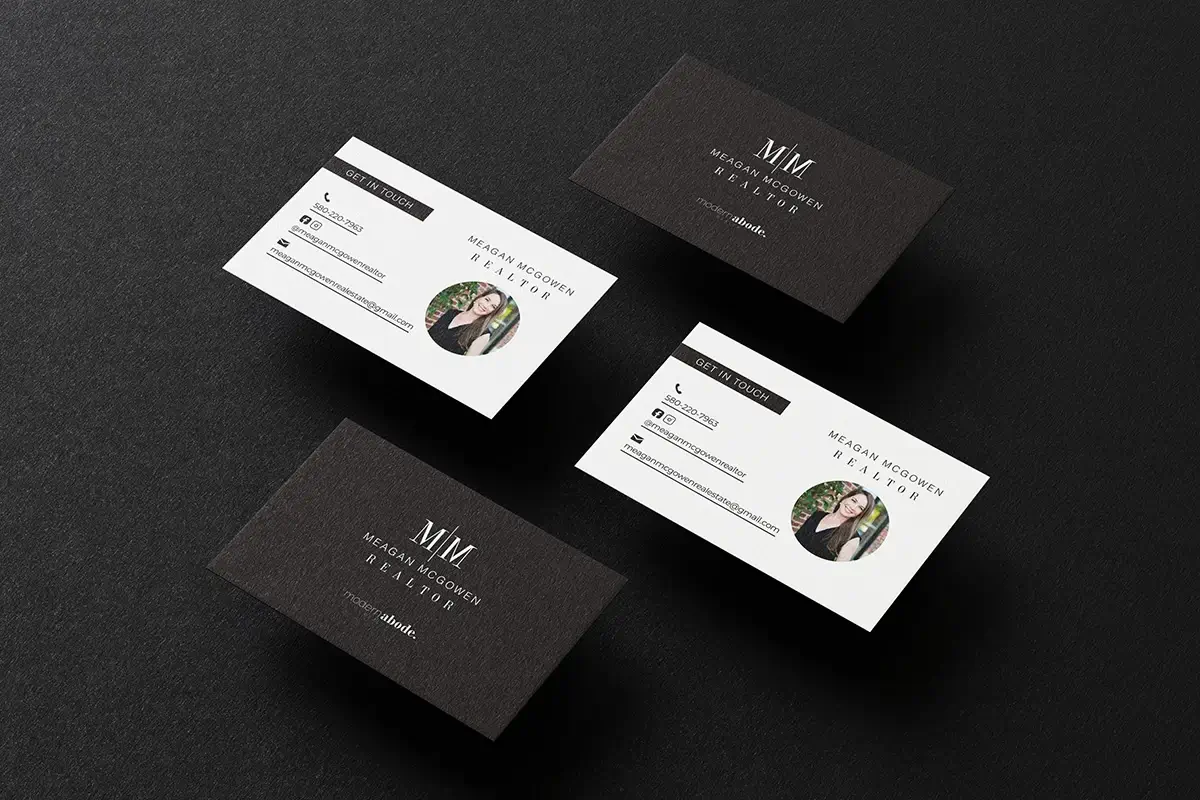
Including a headshot can be a highly effective brand marketing tactic for relationship-based industries like public speaking or personal coaching, as it helps people put a face to the name. However, it requires a very clean layout to avoid looking cluttered. It is also important that the printing is high-quality.
If you do choose to include a headshot (or other photo), it is recommended to partner with a logo design company to ensure it is balanced correctly with the other elements.
How can I make my business card stand out?
There is a wide variety of unique design elements that can significantly elevate your business card’s look. From die-cut shapes and premium textures to specialty finishes and weights, there is an ideal option for any business or company.
When it comes to physical materials, unique design choices impact more than looks—they are a strategic brand marketing choice. In a stack of standard paper cards, a business card with rounded corners, a soft-touch matte finish, or metallic foil accents will naturally draw more attention. As a result, your business cards can stand out more, helping them raise your overall brand awareness.
However, “standing out” should never come at the expense of your brand’s integrity. Working with a skilled logo design company ensures that these creative elements are implemented well and actually reflect your specific identity, rather than just following a temporary trend.
Are there any business card mistakes to avoid?
Even the most well-intentioned brand marketing efforts can fall short if the card’s physical execution is flawed. Common mistakes to watch out for when creating business cards include:
- Overcrowded Layouts: Trying to fit too much text on a small business card makes the information difficult to read and weakens the clarity of your brand message. Instead, a professional logo design company can use white space to ensure your card remains clean, legible, and effective.
- Low-Quality Production: Using flimsy paper or pixelated printing on a business card can reduce perceived professionalism and negatively affect how people view your brand. Instead, an investment in high-quality cardstock with sharp printing can demonstrate your commitment to quality.
- Outdated Information: Handing out a card with a crossed-out email address or an old logo can make you appear unprepared and create friction for the client. Instead of simply “making do,” consider partnering with a logo design company to update your files and print a fresh, accurate batch.
- Generic Templates: Using free online templates often results in a business card that looks like every other competitor, failing to contribute to unique brand awareness. Instead of using a cookie-cutter template, you may invest in a design that is tailored to reflect your brand marketing vision.
A professional logo design company can help you watch out for these mistakes—and many others—as they create this important brand asset.
What is the standard size of a business card?
In the United States, the standard size of a business card is 3.5 x 2 inches. Using these familiar dimensions for your business card supports your brand marketing by ensuring practicality; standard cards fit perfectly into wallets, cardholders, and scanned digital organizers. When a card is too large or an awkward shape, it may end up discarded because it is inconvenient for the recipient to store.
That being said, there is room for creativity within those bounds. A logo design company can help you decide if a non-standard size—such as a square card or a slim “mini” card—is a worthwhile choice. If you do choose a unique size, your designer will ensure the layout is optimized so your key details still remain the business card’s focal point.
Is it better to have a horizontal or a vertical business card?
Horizontal cards are the traditional standard and fit more card scanners and wallets perfectly. On the other hand, vertical cards are increasingly popular for creative industries as they naturally stand out in a stack. A professional logo design company can help you determine which orientation best fits your brand’s personality while ensuring your message remains clear and legible.
How many business cards should I order at once?
Business cards are ordered in bulk, with quantities ranging from 100 to 2,500 or above. Within that, many professionals find that starting with an order of 250-500 business cards is the “sweet spot” for initial networking. Then, once a consistent flow of leads is established, they adjust future orders to match the actual networking volume.
The 250-500 card range is often recommended because the quantity is usually enough to support several months of meetings and events without the risk of the information becoming outdated too quickly. Because brand awareness grows through consistent and frequent distribution, it is always better to have a small surplus on hand, rather than run out during a major event or busy season.
No matter how many cards you decide to move forward with, it is always recommended to carefully review the cards with the professionals at your logo design company to ensure everything on the design is in order before you commit to printing.
How often should I update my business cards?
It is recommended to update your card design whenever there is a significant change to your brand. For example:
- New Contact Information: Potential clients may become frustrated if they call the phone number listed on your card, only for it to be out of order.
- Brand Marketing Shifts: Your cards should evolve alongside your marketing strategy to ensure your message and call-to-action reflect your current business goals.
- Updated Visual Identity: If a lead visits your website and finds a completely different logo and color palette, they may worry that they’re in the wrong place.
Regularly auditing your cards will ensure that your offline presence never feels disconnected from your current overall identity.
So, Do I Need Business Cards?
While digital networking is growing faster than ever, the answer for most professionals who are considering business cards is still a resounding “Yes!” However, the reason has shifted from simply sharing a phone number to establishing a high-end physical presence that seamlessly connects with your digital touchpoints.
If you’re deciding whether to invest in an order, here is a quick breakdown of why business cards remain a vital part of brand marketing and overall awareness:
- The Tangible First Impression: A physical card creates a sensory experience that is completely unique from digital tools. High-quality materials and a professional layout from a logo design company effectively communicate that your business is established and credible.
- A “Mini-Billboard” for Your Brand: Even after a conversation ends, a business card stays with the recipient as a physical reminder of your encounter, supporting ongoing brand awareness every time they see it in their wallet or on their desk.
- Facilitating In-Person Connections: In fast-paced environments, like trade shows or local networking events, a physical exchange is more personal and less intrusive than asking someone to unlock their phone and download a specific app.
- Bridging the Physical and Digital: By incorporating QR codes and using consistent imagery, business cards act as a tangible gateway to your online presence, ensuring your brand marketing strategy is cohesive across all platforms.
- Professionalism Is Expected: In many industries—including real estate, law, and consulting—carrying a high-quality business card is the baseline of professional etiquette. If your clients expect a business card, you should have one.
Elevate Your Brand Marketing With Strategic, Tangible Design
At myheartcreative, we love digital marketing techniques for their speed, efficiency, and versatility. However, we also know that physical marketing materials offer the substance and credibility that modern consumers crave. Our marketing and logo design company is ready to help you integrate high-quality print into your broader brand marketing strategy—so your business remains memorable as the world turns more digital.
If you’re ready to leave a lasting impression with high-quality business cards, get in touch. Let’s discuss how we can support your brand awareness goals!