In the world of professional visual storytelling, capturing a photograph is only the first phase of the creative journey. Once the camera is packed away, the image enters the digital darkroom, where technical polish transforms a raw frame into a refined asset. For business owners and marketing professionals looking to update their photos, understanding what photo retouching is and its importance in commercial photography is vital to establishing a high-end brand presentation.
The retouching process is not about fundamentally altering reality, but rather about clearing away distractions and technical limitations so that the true essence of the subject can stand out with absolute clarity. If you are ready to update your brand’s photography assets, here are some important things to know.
Setting the Technical Boundaries of Post-Production
To appreciate the value of professional retouching, it helps to distinguish between the two primary stages of modern post-processing: adjustments/corrections and retouching. While the terms are frequently used interchangeably, they represent entirely separate disciplines within a photographer’s workflow.
The Foundation: Basic Adjustments
Before any in-depth retouching happens, an image undergoes global corrections. This initial layer involves balancing exposure, adjusting contrast, correcting white balance, and ensuring the overall color temperature aligns with the intended mood. These foundational changes apply to the entire image simultaneously, establishing a baseline of consistency across an entire gallery or product line.
The Precise Details: Advanced Retouching
Retouching begins where global adjustments end. This stage involves pixel-level alterations targeted at specific areas of the frame. Professionals use digital brushes to remove temporary imperfections, smooth out tonal transitions in clothing or backgrounds, and manage complex reflections in glass or metallic surfaces. It is a meticulous, time-consuming process that requires a deep understanding of lighting, texture, and anatomy to execute seamlessly.
What Is Photo Retouching: The Strategic Balance of Fine Correction
When it comes to retouching images, the ultimate mark of a skilled photographer is subtlety. The goal should always be an authentic, polished look rather than an artificial, over-processed appearance. Adhering to a philosophy of natural photo editing ensures that the subject looks their absolute best without appearing plastic or disconnected from reality.
Preserving Essential Textures
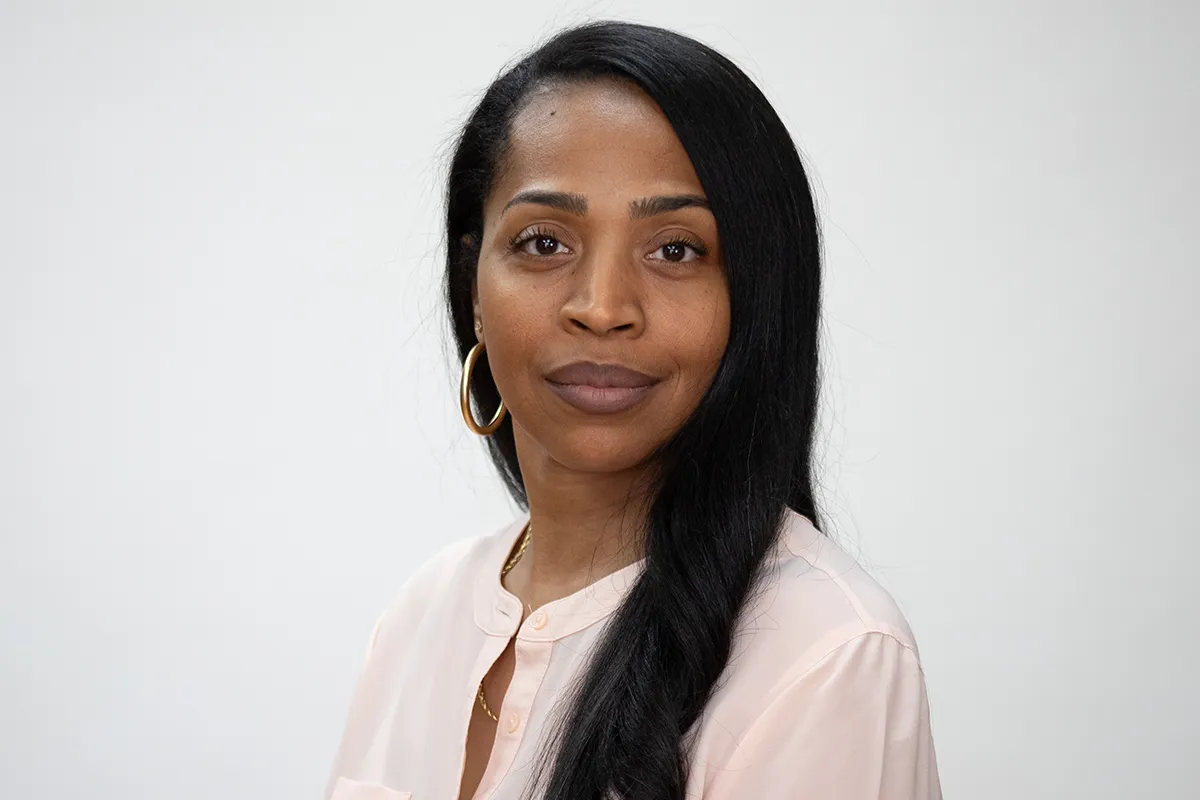
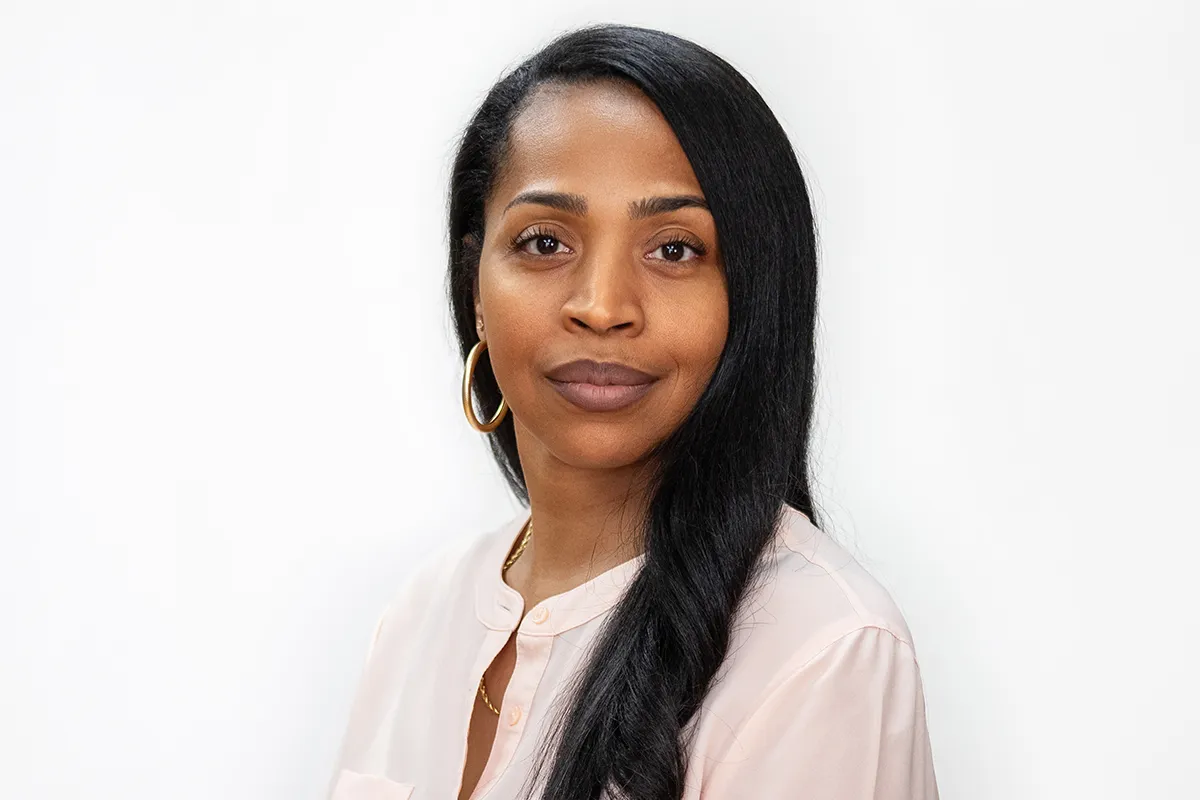
Over-smoothing is the most common pitfall of amateur retouching. In professional headshots, retaining natural skin texture, fine pores, and individual fabric threads is non-negotiable. Stripping away these elements from headshots removes the depth of the image, making it appear flat and unearned. True refinement works with the existing lighting to minimize transient blemishes while leaving permanent features completely intact.
Enhancing Visual Hierarchy
Every image should guide the viewer’s eye to a specific focal point. Retouching helps manage this hierarchy by subtly dampening distractions that occurred during the session. For instance, softening a stray hair, dimming a harsh background glare, or removing a stray speck of dust from a tabletop ensures that the viewer’s attention remains entirely focused on your primary subject or product. By consistently applying natural photo editing principles, a professional photographer ensures that the final result looks effortless and high-quality.
Professional Photography’s Impact on Commercial Positioning
For businesses investing in photography, it is important to note that post-production directly influences consumer perception. High-resolution photos act as a proxy for the quality of your services or goods; if your images are clear, appealing, and high-quality, they can help your brand immediately make a positive impression. However, if your photos appear unpolished, consumers may assume your business operations follow the same standard.
Protecting Your Financial Investment
When searching for specialized commercial photography near me, finding a team that integrates expert post-production into their core workflow is essential. A professional photographer knows that a meticulous editing process protects the investment you’ve made in the session. It ensures that the final assets look uniform and authoritative, whether they are deployed on a small mobile device or printed on a large-scale showroom banner.
Creating Cohesive Asset Libraries
A business relies on multiple marketing channels, from their website to physical brochures. Professional retouching guarantees that your visual assets share a unified color tone, contrast ratio, and structural polish across all mediums. This technical consistency builds immediate consumer confidence, presenting your brand as an organized and reliable leader in your marketplace. For high-impact campaigns, seeking out commercial photography ensures your imagery is optimized for both commercial print and digital standards.
Frequently Asked Questions
Understanding the logistics of the post-production process can help you collaborate with your photographer more effectively during your next session.
How long does the retouching process typically take?
Because professional correction is handled manually frame by frame, the timeline varies based on the complexity of the shoot. A standard commercial gallery usually requires anywhere from one to two weeks of post-production to ensure every asset is high-quality and realistic.
What is the difference between an overlay and true retouching?
An overlay or automated filter applies a generic mathematical formula across the entire image, often degrading the underlying data. True retouching is a specialized craft where a photographer evaluates the specific lighting, shadows, and textures of a single frame, making intentional adjustments only where needed.
Can lighting errors be completely fixed in post-production?
While modern digital tools are incredibly powerful, they cannot completely replace good lighting on set. A high-quality final image requires a collaborative balance: capturing the best possible light in-camera, and using post-production to elevate and polish those existing details.
Refine Your Brand Presence With myheartcreative
At myheartcreative, we view post-production as a discipline of respect—respect for your brand’s integrity, your time, and your audience’s attention. We do not believe in heavy, artificial modifications that distort reality. Our focus remains on executing clean, meticulous natural photo editing that honors the authentic quality of your business, giving you a distinct and professional voice in your industry.
We offer a full suite of commercial solutions, including photography, custom web design, and videography. We pride ourselves on providing the steady, technical oversight needed to deliver resilient assets that look flawless on any display. Whether you are launching a new website or refreshing your visual identity, we are here to clear the path forward.
Contact myheartcreative today—let’s bring your visual assets to their highest standard.