If you have a WordPress website with myheartcreative, an OKC web design, and a Dallas web design company, you know all about the Divi Builder. The Divi not only lets you clone existing pages, but it also lets you duplicate sections, rows, and modules. Rows are one of the three most important components of every layout. Rows live inside Sections, and Modules live inside Rows.
New Row
Rows provide the column structure of your webpage. You can have a one-column, two-column, or even an uneven column structure. If you want to add a new Row, all you will need to do is hit the green plus sign,
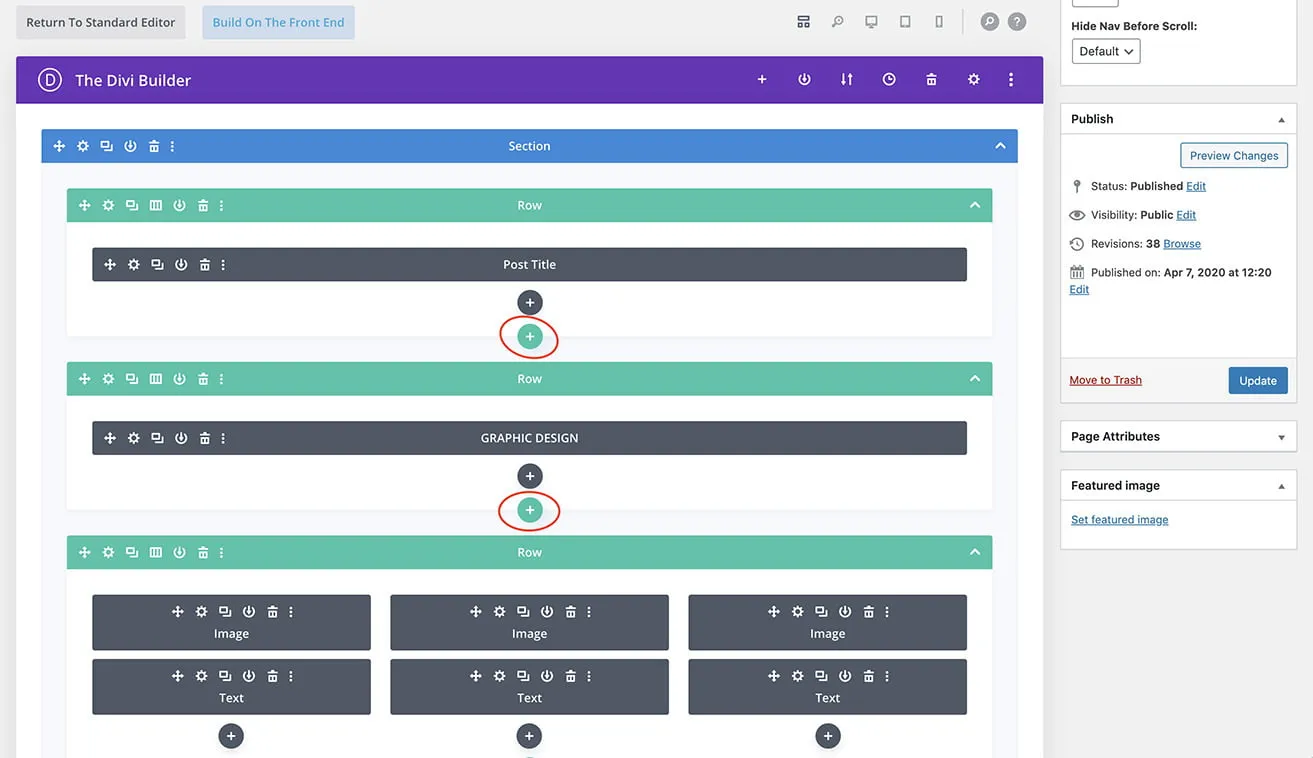
and then choose your column structure.
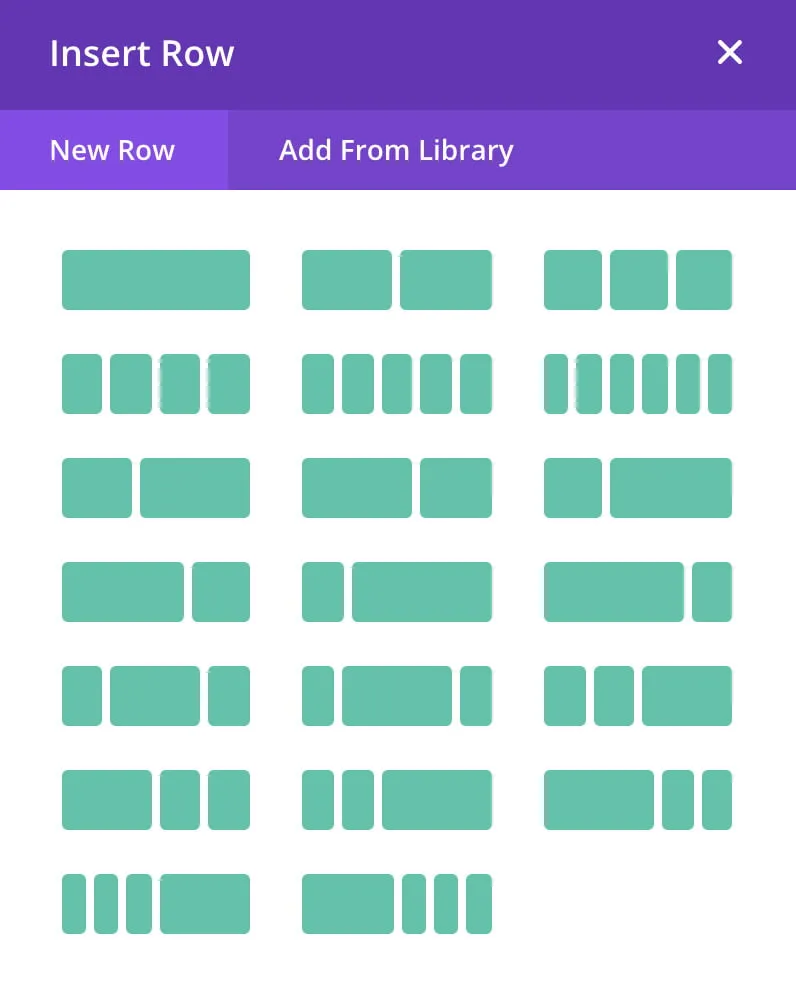
You can always change the column structure later if you change your mind on what you want the layout of that page to look like.
Column Structure
There are two ways you can choose the column structure if you are editing a new Row. One way is to click the Row Settings cog on that Row, and the other is to click the Change Column Structure button on that Row.

The Row Settings can be used to significantly improve the variety of layouts built with the Divi Builder. If you choose to use the Row Settings to change your column structure, it will look a little different from choosing to use the Change Column Structure option. The Row Settings will look like this:
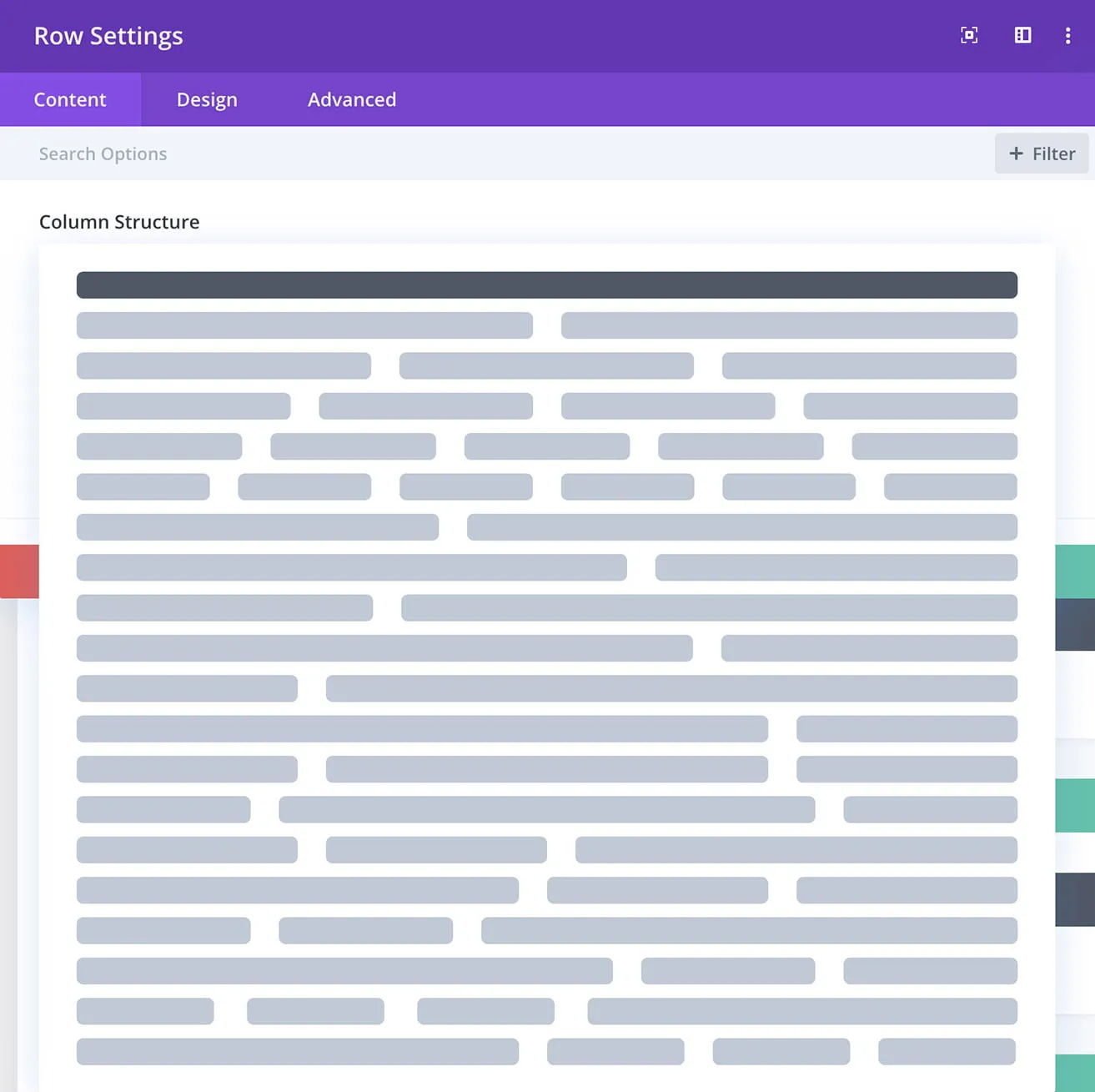
The Change Column Structure will look like this:
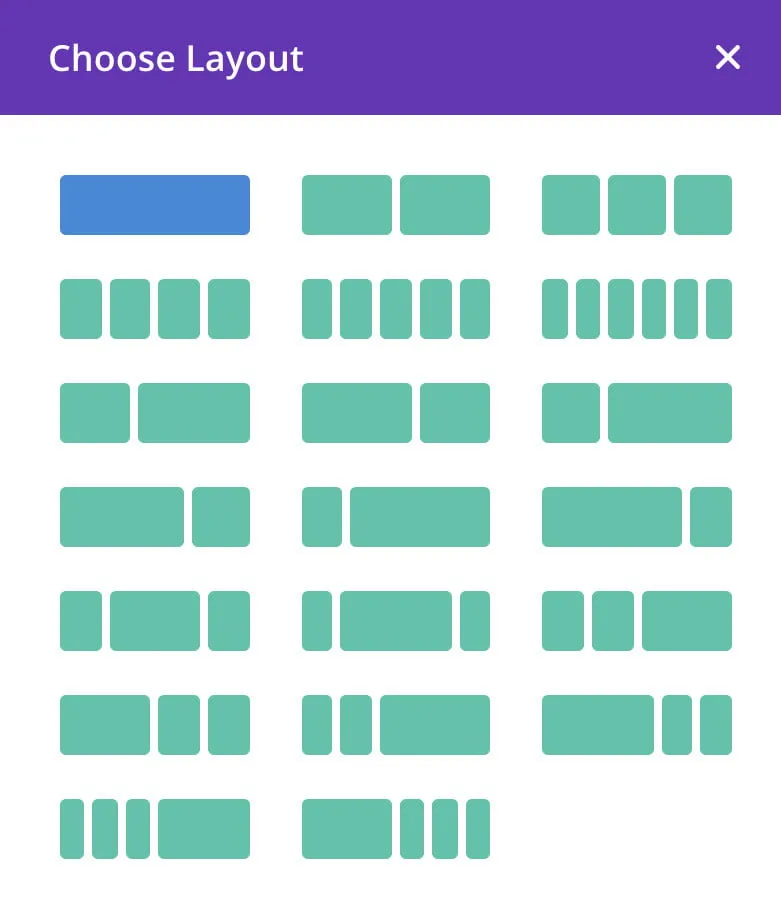
Duplicate Rows
You also have the option to duplicate existing Rows. To do this, you will click the Duplicate Row button, which looks like two pieces of paper overlapping each other. By duplicating a row, you can keep the same column structure, and it will also duplicate the Modules that live under that Row.

Admin Label
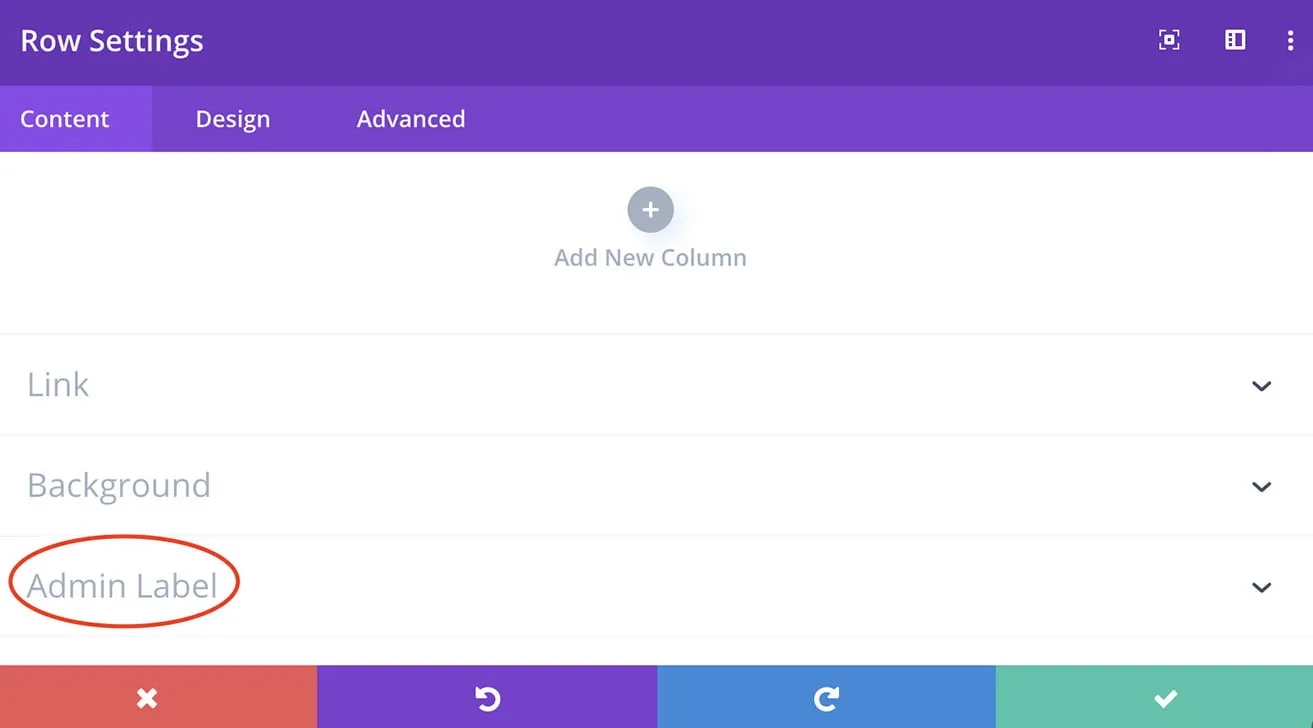
The last thing I am going to talk about when it comes to Rows is the Admin Label. This comes in handy if you have a lot of content on a page and need to find something quickly or to help you remember what everything is. The first thing you need to do to get to the Admin Label is to click on the Row Settings cog.

Then you will scroll all the way to the bottom of the “Content” tab (this is the default tab that opens when you clock the Row Settings). It says Admin Label where you can type the description you want to give that Row.
Placement of Rows
If you don’t like where one of the Rows is, you can always change the order by dragging and dropping that Row to the correct place. All you need to do is hover over the Move Row button. Then click and drag that Row where you want it to go.

These are the basics about Rows in WordPress when using the Divi Builder. We believe these will be the most common/important for our client to know. If you have any questions about the WordPress Divi Builder or website design in Oklahoma City, please reach out.